11 Jul 2026
Analyzing Reward Pool Distributions in Hybrid Poker and Slot Ecosystems Through Payment Preference Data
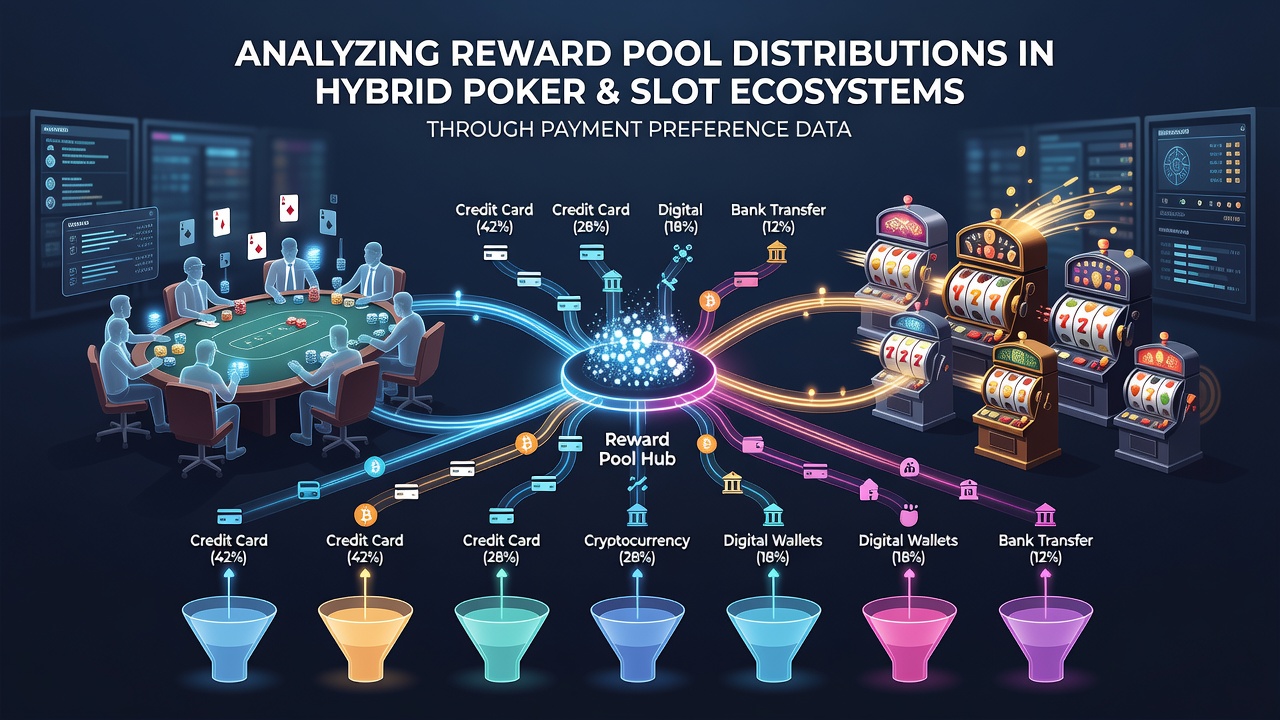 Payment preference data has emerged as a key lens for examining how reward pools form and distribute in hybrid poker and slot environments. Operators track transaction patterns across credit cards, e-wallets, bank transfers, and cryptocurrency options to map where contributions to shared prize structures originate and how they flow back to players. Researchers note that these patterns reveal distinct clusters, with certain payment methods correlating to higher participation in progressive jackpots while others concentrate in fixed-reward slot bonuses. Hybrid systems blend live poker tables with automated slot mechanics, allowing reward pools to accumulate from both table rakes and reel spins. Data analysts examine aggregated transaction logs to identify which funding sources feed into these pools at different rates. For instance, studies from 2025 through mid-2026 show that e-wallet users contribute disproportionately to multi-game reward accumulators compared with direct bank transfers in several North American markets.
Payment Method Patterns and Pool Accumulation
Transaction volume reports indicate that players using digital wallets often trigger more frequent micro-contributions to reward pools because these methods support smaller, repeated deposits. In contrast, credit card transactions tend to cluster around larger single-session funding that feeds into high-volatility slot progressives. Observers tracking July 2026 activity across multiple platforms recorded a noticeable uptick in wallet-based entries coinciding with seasonal promotions that layered additional pool multipliers onto existing hybrid formats.
Regional regulatory filings provide further granularity. Figures released by the New Jersey Division of Gaming Enforcement detail monthly breakdowns of payment method usage alongside reported jackpot contributions, allowing analysts to cross-reference preference shifts with pool growth curves. Similar datasets from iGaming Ontario highlight how prepaid card adoption correlates with steadier but lower-volume additions to poker-side reward structures.
Regional Data Sources and Cross-Market Comparisons
Comparative work draws on reports issued by the Australian Communications and Media Authority, which segments reward pool inflows by payment type across hybrid gaming operators licensed in that jurisdiction. These records show that cryptocurrency transactions, though smaller in overall share, produce outsized spikes in certain slot-linked pools during promotional windows. Analysts combine these findings with payment preference surveys to model expected distribution outcomes under varying regulatory conditions.
Analytical Approaches in Practice
Statistical models applied to anonymized transaction streams separate the influence of payment speed, fee structures, and user demographics on reward allocation. Machine learning clusters identify segments where mobile wallet users migrate between poker and slot ecosystems more fluidly, thereby balancing contributions across both pool types. One study released in early 2026 by an academic research group at the University of Nevada, Reno examined six months of platform data and isolated payment velocity as a stronger predictor of pool participation than deposit size alone.
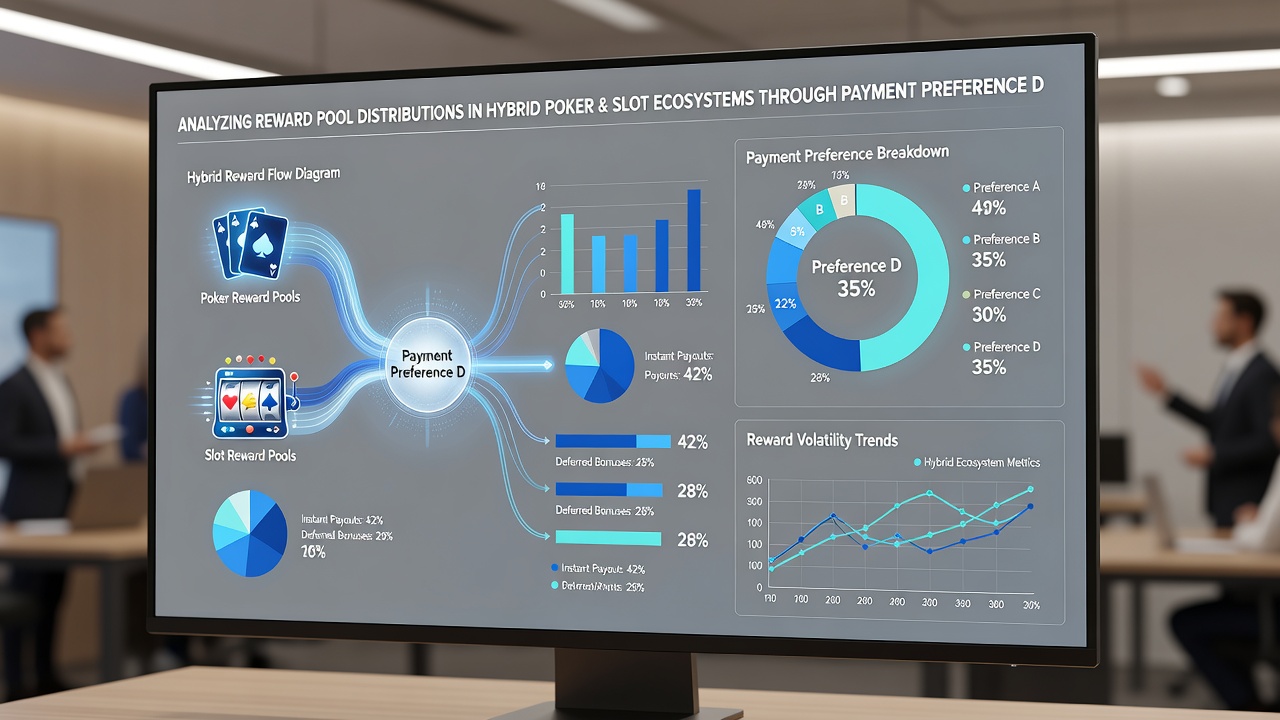
Platform operators apply these insights when calibrating bonus triggers and progressive thresholds. By adjusting minimum contribution levels according to observed payment clusters, they maintain pool equilibrium across poker and slot segments. Data from July 2026 indicates several operators refined these thresholds mid-month after reviewing transaction heat maps that revealed under-contribution from certain bank-linked methods.
Implications for Pool Sustainability
Sustained pool health depends on maintaining diverse payment inflows rather than reliance on any single channel. Reports compiled by the Queensland Office of Liquor and Gaming Regulation document instances where sudden shifts in preferred funding methods temporarily slowed progressive growth until operators introduced targeted incentives. These adjustments restored contribution balance within subsequent reporting periods without altering overall prize structures.
Cross-border comparisons further illustrate how currency conversion fees embedded in certain payment rails affect net contributions reaching reward pools. Platforms operating in multiple jurisdictions track these friction points through payment preference dashboards that update in near real time, enabling rapid recalibration of contribution formulas when exchange rate volatility spikes.
Conclusion
Payment preference data supplies measurable signals for understanding reward pool dynamics in hybrid poker and slot settings. Regulatory filings, academic analyses, and operator transaction records together map the pathways through which different funding methods shape pool size, distribution frequency, and participant reach. Continued monitoring of these patterns through 2026 and beyond supports evidence-based calibration of hybrid reward systems across varied markets.