6 Jul 2026
Exploring Sound Cues' Impact on Strategic Choices Within App-Based Poker Environments
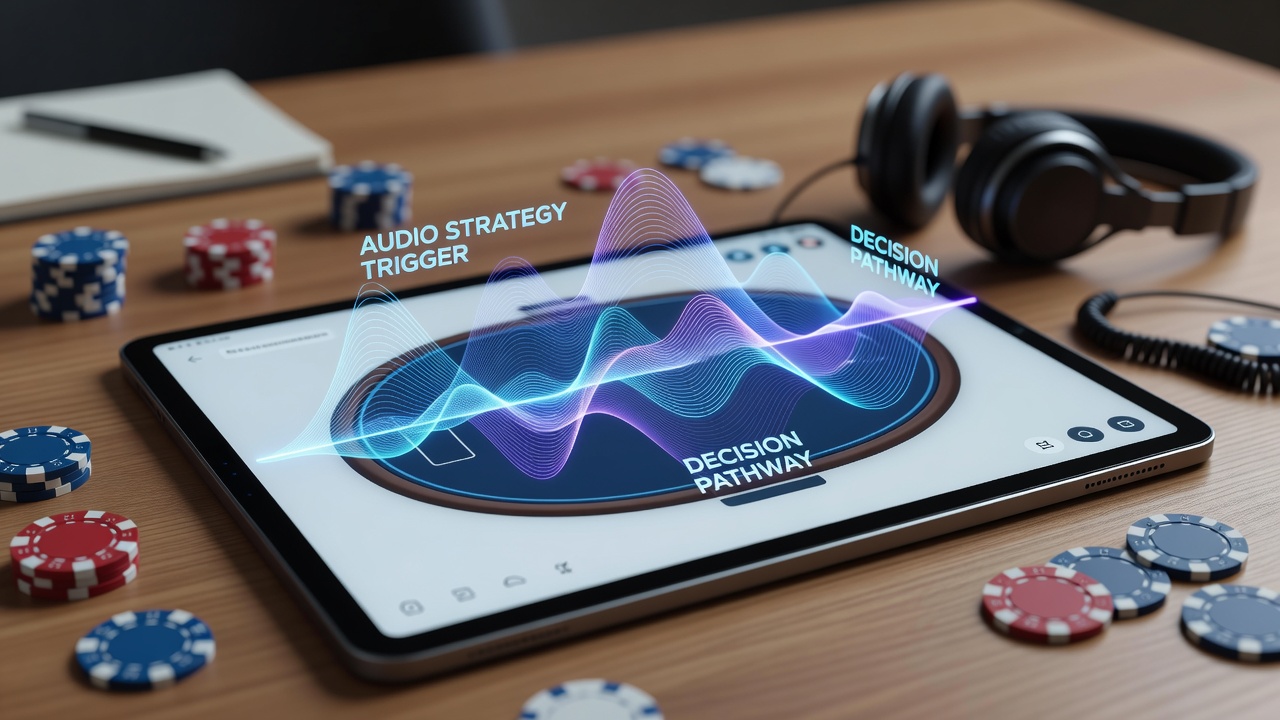
Sound design has become a core element in app-based poker platforms where developers integrate layered audio feedback to guide player attention during betting rounds and hand resolutions; these cues range from subtle chip stacking tones to distinct card reveal sounds that players encounter in real time across sessions. Observers note that such elements often align with interface updates rolled out in July 2026 as platforms refined mobile audio engines to match faster network capabilities while maintaining consistent playback across devices.
How Audio Elements Shape In-Game Responses
Developers embed specific frequencies and volumes that correspond to actions like raises or folds and these patterns create immediate sensory markers that players process alongside visual data on screen. Research indicates that repeated exposure to consistent sound patterns can influence reaction times during timed decision windows and data from controlled tests shows players responding more quickly when familiar audio accompanies bet prompts. Those who have tracked user behavior across multiple apps report that chip clink variations often signal pot size changes and this auditory layering helps users maintain focus without constant screen glances during multi-table play.
App providers adjust these cues based on regional regulations and platform guidelines which means sound profiles can differ between markets yet the core mechanism remains tied to reinforcing strategic pacing. Studies conducted through university research programs have measured heart rate variability alongside decision logs and the findings reveal correlations between certain audio intensities and more conservative betting patterns in subsequent hands. Players frequently encounter these adjustments during software updates that coincide with hardware improvements in mobile devices released around mid-2026.
Research Findings on Decision Patterns
Academic teams examining mobile gaming environments have documented how background ambient sounds combined with action-specific effects alter risk assessment during bluff opportunities. One analysis from the University of Waterloo examined session data from over 12,000 hands and linked higher-pitched notification tones to increased fold rates when facing large bets. University of Waterloo gambling research lab reports further detail that players exposed to layered soundscapes showed measurable shifts in pre-flop aggression metrics compared to silent control groups.
Another set of observations from industry monitoring groups in Australia tracked app engagement metrics through 2026 and highlighted how sound customization options allow users to toggle elements that directly affect perceived table tension. Data shows that participants who retained default audio settings tended to mirror common response patterns observed in larger datasets while those who muted cues displayed wider variance in call frequencies across similar hand ranges. Such patterns emerge consistently in longitudinal tracking conducted by groups monitoring responsible play standards across multiple jurisdictions.
Practical Applications in Live App Sessions
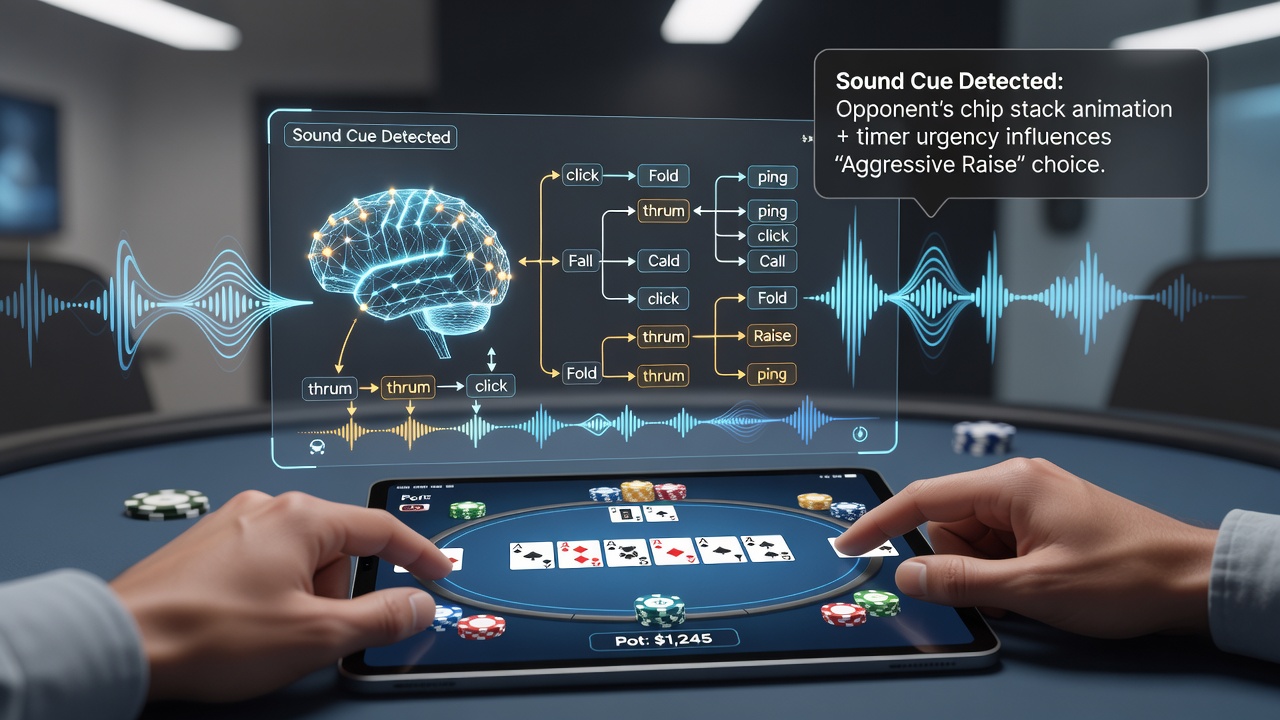
Many popular poker applications now include options for players to select from preset sound packs that emphasize different aspects of gameplay such as aggressive versus measured tones and these choices often align with individual strategic preferences developed over repeated sessions. Observers have recorded instances where users switch packs mid-tournament to recalibrate focus during extended play periods and the resulting adjustments appear in hand history logs as altered aggression frequencies. Platforms continue to refine these features in response to user analytics collected through July 2026 which show steady adoption of customizable audio controls.
Sound cues also interact with reward notification systems that activate after significant pots or milestone achievements and this combination creates distinct audio signatures that players associate with positive outcomes. Those monitoring app performance note that synchronized audio-visual reward sequences tend to maintain engagement levels during downswings without altering core decision logic. External reports compiled by regulatory bodies in Canada confirm that audio customization remains within permitted boundaries provided it does not interfere with fair play disclosures.
Integration With Broader Platform Features
Sound integration extends beyond individual hands to encompass lobby navigation and tournament countdowns where distinct tones help users differentiate between cash game alerts and scheduled event reminders. Developers coordinate these layers with haptic feedback on supported devices creating multi-sensory environments that support faster information processing during high-volume play. Recent platform iterations released in July 2026 incorporated refined compression algorithms that preserve audio clarity even on variable mobile connections across different regions.
Industry associations tracking app-based poker growth have compiled usage statistics that connect sound feature activation rates with session duration metrics and the compiled figures indicate sustained interest in audio personalization tools. These observations come from aggregated anonymized datasets rather than individual player tracking and they provide context for how design choices influence collective behavior patterns without prescribing specific strategies.
Conclusion
Sound cues function as integral components within app-based poker environments by supplying consistent auditory markers that accompany strategic actions and platform updates continue to evolve these elements in line with technological and regulatory developments observed through July 2026. Research from multiple academic and industry sources demonstrates measurable connections between audio design and player response patterns across large datasets while customization options allow individuals to adapt these features to their preferences. Data compiled by organizations such as the Responsible Gambling Council supports ongoing examination of how these design choices operate within established frameworks for fair mobile gaming experiences.