12 Aug 2026
How Regional Regulatory Shifts Influence Reward Pool Structures in Cross-Platform Gaming Networks
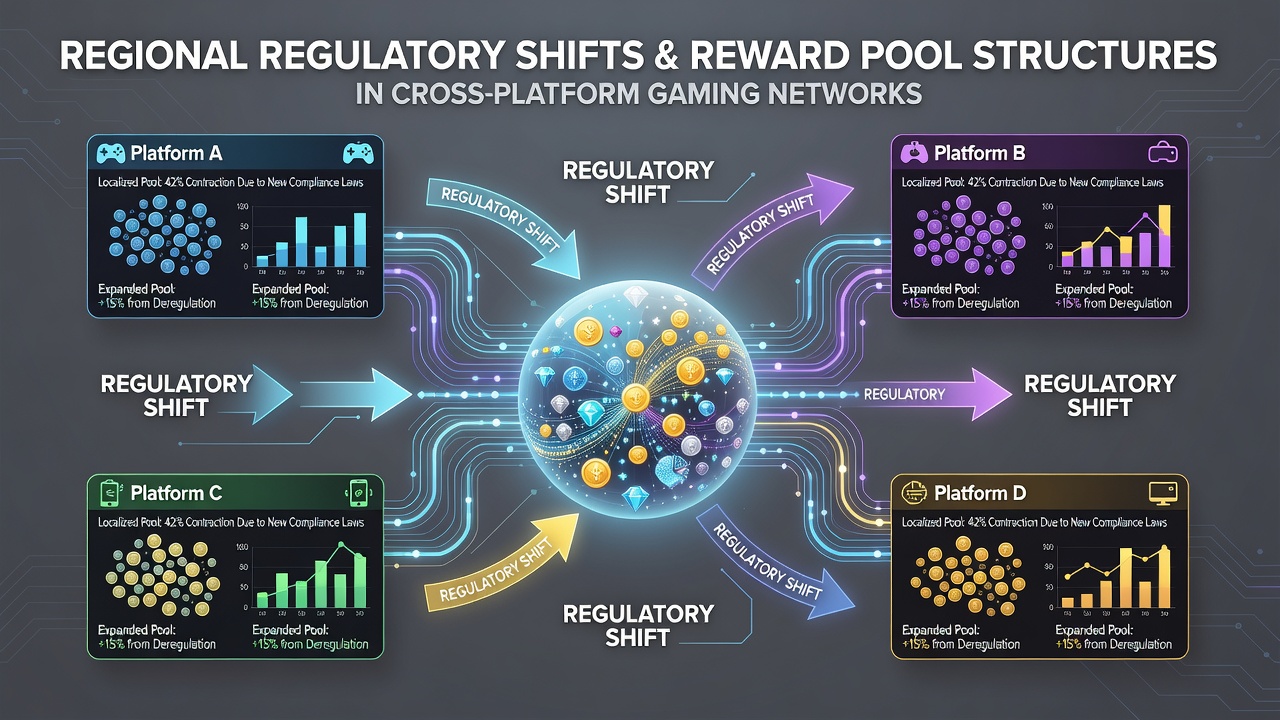
Regional regulatory shifts continue to reshape how operators structure reward pools within cross-platform gaming networks, where shared jackpots, loyalty points, and bonus allocations span mobile, desktop, and console environments. Data from multiple jurisdictions shows that changes in tax treatment, bonus caps, and player fund segregation rules directly alter pool sizes, contribution rates, and distribution mechanics. Observers note that these adjustments often emerge when governments update licensing conditions or introduce new consumer protection measures, forcing networks to recalibrate algorithms that determine how rewards accumulate and disperse across borders.
North American Regulatory Developments and Pool Adjustments
State-level modifications in the United States have produced measurable effects on reward pool architecture. In New Jersey, updates to the Division of Gaming Enforcement guidelines regarding promotional contributions have led operators to separate local player pools from international ones, reducing cross-border dilution while maintaining compliance with revenue reporting requirements. Figures from the first half of 2026 indicate that networks adjusted contribution percentages downward by an average of 12 percent in markets with new tax surcharges on bonus winnings, and this pattern appears in data shared by multi-state operators.
Canadian provinces have introduced parallel requirements. Ontario's Alcohol and Gaming Commission revised its standards for pooled progressive systems in August 2026, mandating that operators disclose reserve percentages and maintain separate escrow accounts for cross-platform contributions. Those changes prompted several networks to segment reward pools by provincial boundaries, resulting in smaller but more stable individual prize tiers that comply with local transparency rules.
European adn Asia-Pacific Approaches to Shared Rewards
European markets have emphasized segregation of player funds and restrictions on bonus rollover mechanics. Reports from the Malta Gaming Authority detail how recent licensing amendments require operators to cap the percentage of pooled funds that can originate from players in high-risk jurisdictions, which has encouraged networks to implement geo-fenced contribution multipliers. Data released by the European Gaming and Betting Association shows that these caps have prompted a 9 percent average reduction in total pool sizes for games accessible across multiple EU member states.
Asia-Pacific regulators have focused on currency controls and anti-money laundering thresholds. Singapore's Casino Regulatory Authority updated its guidelines in mid-2026 to require real-time reconciliation of reward pools denominated in different currencies, leading operators to adopt dynamic conversion layers that adjust pool values daily. Australian state gaming commissions have similarly required clearer separation between free-to-play and real-money reward structures, which has influenced how cross-platform loyalty programs calculate point accrual rates.

Technical Adaptations in Network Architecture
Operators have responded by redesigning backend systems that manage reward pools. Many now employ modular contribution engines capable of applying jurisdiction-specific rules in real time, and these engines track regulatory parameters such as maximum bonus values, tax withholdings, and player eligibility criteria. Research from industry technical working groups indicates that networks using such modular systems experienced fewer compliance incidents during the regulatory updates of 2026 compared with those relying on static pool calculations.
Cross-platform synchronization presents additional challenges. When a player switches between mobile and desktop versions, the network must ensure that accrued rewards reflect the regulatory environment active at the time of each session. Studies from academic gaming research centers have documented that latency in regulatory data feeds can create temporary mismatches in pool balances, prompting developers to introduce buffer reserves that stabilize displayed prize amounts.
Case Examples of Structural Changes
One network operating across multiple U.S. states and Canadian provinces revised its progressive jackpot formulas after Ontario's August 2026 escrow rules took effect, splitting a single global pool into three regional sub-pools with independent seed values. Another operator serving European and Australian markets introduced tiered loyalty programs where point redemption values vary according to the player's primary jurisdiction, a direct response to differing consumer protection mandates.
These examples illustrate how regulatory language influences technical parameters. When a jurisdiction limits the maximum contribution from any single player to a shared pool, networks often increase the number of eligible participants or adjust entry thresholds to maintain comparable prize levels.
Conclusion
Regional regulatory shifts continue to drive measurable evolution in reward pool structures across cross-platform gaming networks. Operators adapt contribution rates, pool segmentation, and synchronization protocols to satisfy jurisdiction-specific requirements while preserving network-wide functionality. Data from regulatory bodies and industry associations demonstrates consistent patterns of adjustment following new rules on taxation, transparency, and player fund protection. As additional jurisdictions refine their frameworks, networks maintain ongoing monitoring systems to ensure compliance and operational continuity.