26 Aug 2026
Mapping User Progression Paths Through Integrated Casino Reward Ecosystems
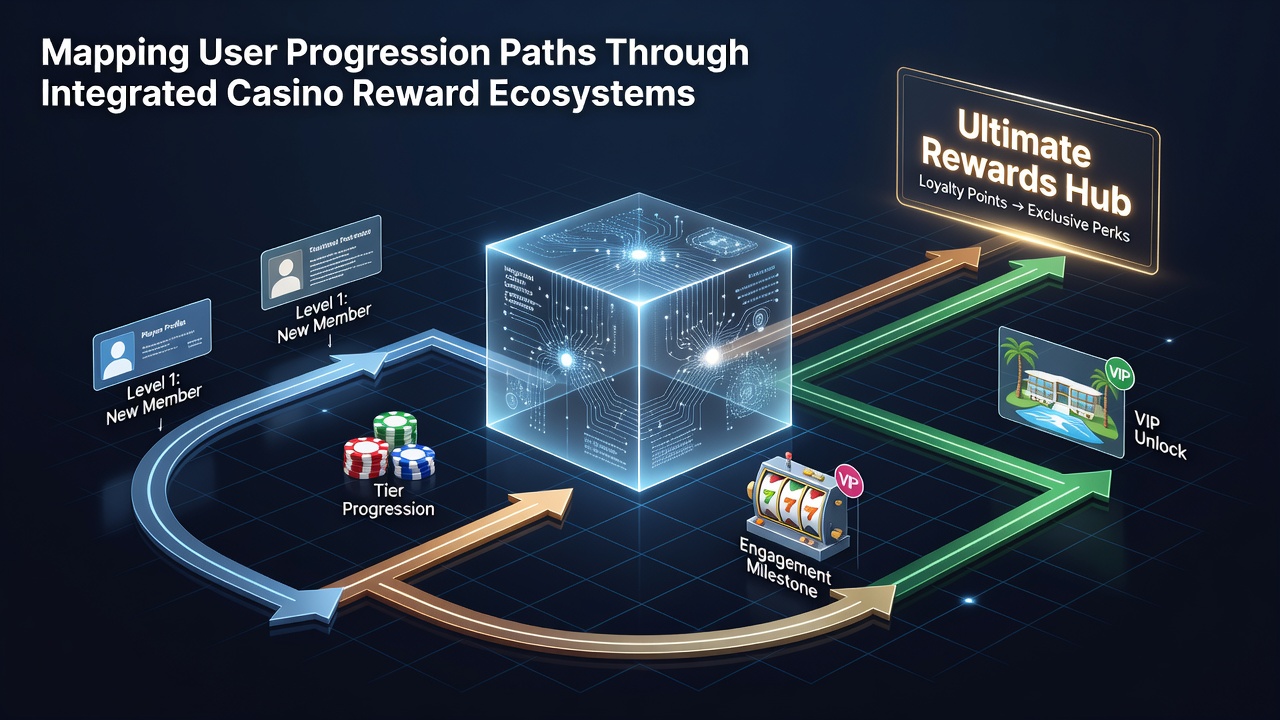
Integrated casino reward ecosystems track player movement from initial sign-up through multiple tiers by combining data from online platforms, mobile applications, and physical properties into unified profiles. Systems record deposit frequency, game selection, session length, and bonus interactions to map advancement routes that operators refine over time. Researchers at academic institutions have examined how these paths evolve when operators adjust point multipliers or introduce cross-channel redemptions during periods such as August 2026.
Data Collection Across Channels
Operators gather information from loyalty cards at tables and slots, account activity on casino websites, and in-app behaviors on smartphones to create continuous progression records. Points accumulate at different rates depending on game type and wager size, while additional layers such as time-based challenges or location-specific bonuses influence the speed of tier climbs. Observers note that networks linking these elements allow real-time adjustments when players shift between virtual and land-based environments, creating individualized maps rather than uniform ladders.
Progression Mechanics in Practice
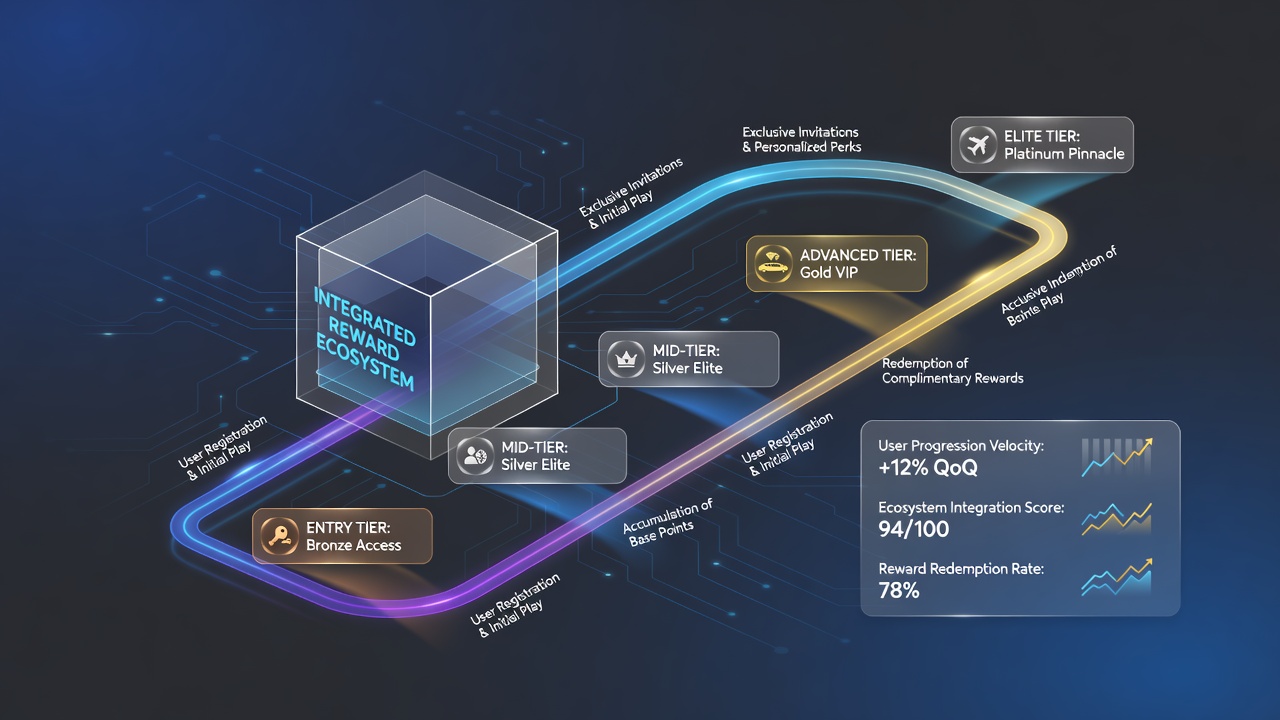
Basic members often start with standard cashback percentages and limited free spin allocations that expand once they reach silver or gold thresholds. Data indicates that reaching platinum or diamond levels unlocks personalized offers, higher withdrawal limits, and invitations to exclusive events. One study from the University of Nevada, Las Vegas tracked how players who combined mobile deposits with on-site play advanced faster than those using single channels, revealing clear patterns in reward activation timing. University of Nevada research further documented seasonal spikes in progression rates during summer months when operators release targeted multipliers.
Algorithms analyze historical behavior to predict next likely actions and surface relevant rewards that keep users moving forward. For instance, a player who frequently plays live dealer games might receive prompts for table-specific tournaments while someone focused on slots sees tailored free spin sequences. These predictions rely on machine learning models trained on aggregated datasets from multiple jurisdictions.
Integration Challenges and Solutions
Connecting disparate systems requires standardized data protocols so that points earned on a mobile slot session transfer correctly to a physical property's database. Regulatory bodies such as the Nevada Gaming Control Board require audit trails that document every point issuance and redemption across integrated platforms. Operators address latency issues by maintaining synchronized ledgers that update within seconds, reducing discrepancies that previously stalled progression for users switching devices mid-session.
Geographic differences appear when operators expand into new markets where local rules govern reward structures. Australian venues, for example, integrate loyalty programs with state-mandated responsible gambling tools that pause point accumulation after set loss limits. Canadian provinces apply similar safeguards while allowing operators to map progression through provincial gaming corporations. These regional variations produce distinct path shapes that analysts compare across borders to identify best practices.
Player Behavior Patterns Observed in 2026
Figures from August 2026 show increased multi-channel engagement among users who received progression previews through personalized dashboards. Players who viewed projected tier-up timelines completed more qualifying wagers than those without such visibility. Industry reports indicate that hybrid reward pools, where online and offline points combine, shortened average time to mid-tier status by measurable margins in several jurisdictions.
Case examples reveal that users who triggered bonus sequences via mobile notifications often continued play on desktop later the same day, illustrating connected pathways. Those monitoring their own data through dedicated apps adjusted betting patterns to optimize point earning during promotional windows. Observers note that transparent mapping tools help users understand requirements without requiring separate inquiries to support teams.
Conclusion
Mapping user progression paths through integrated casino reward ecosystems relies on continuous data flows, predictive modeling, and cross-platform synchronization that together define advancement routes. Regulatory oversight from bodies like the Nevada Gaming Control Board ensures these systems operate within established compliance frameworks while academic examinations provide insight into behavioral trends. As operators refine these networks, the resulting maps become more precise, allowing clearer visibility into how players move from entry-level participation toward higher reward tiers across both digital and physical environments.